By the Raids du Sud team — guides and mechanics based in Tagounite
Adventure in Southern Morocco can take the form of an introduction, a hike, or a quiet night at camp. These experiences are chosen according to your level, conditions, and respect for the locations; none should be forced to make the trip a success.
Discover our 4x4 guided adventure in Morocco and compare the packages suited to your project.
Choosing a suitable adventure rather than a bucket list
Start by explaining what you are looking for: learning to drive on sand, discovering an isolated landscape, or sharing an evening at a desert camp. These desires require neither the same vehicle nor the same pace. A passenger who prefers to observe should be able to participate without taking the wheel, and no one should be pressured into an activity just to keep up with the rest of the group.
The guide then balances these choices against the terrain. A detour can take longer than expected; track conditions change with the wind and rain. Choose a few experiences that fit the duration of your trip rather than seven scattered stages. Adventure also involves leaving a margin to rest, service the vehicles, or modify the schedule.
Seven experiences: what they involve on the ground
1. Crossing dunes: learning to read the terrain
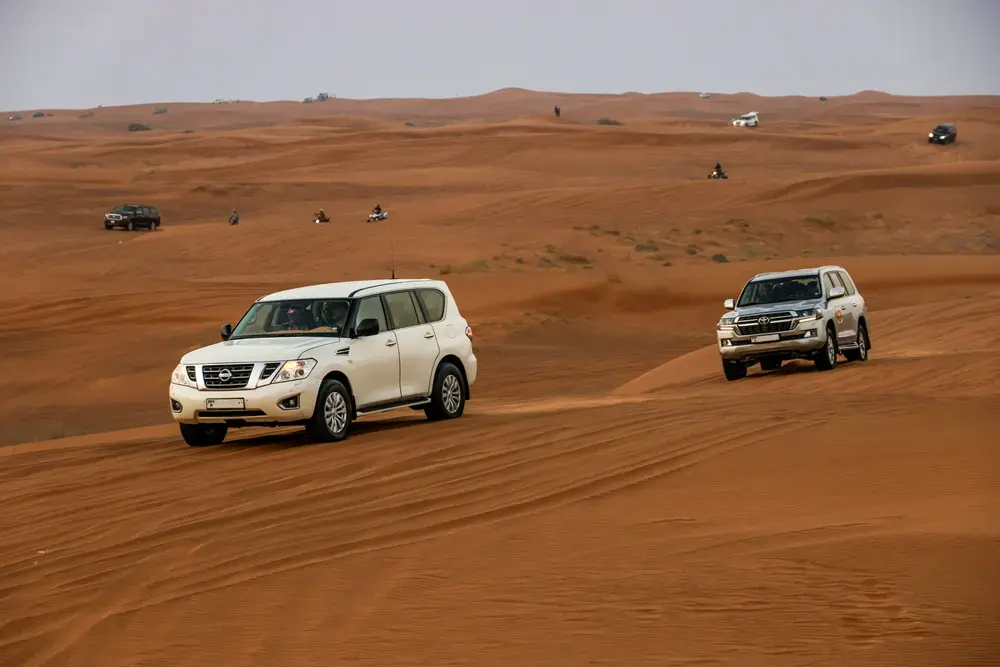
Discovery begins with a briefing and a specific area chosen for learning. The guide explains the trajectory, stopping techniques, and options for bypassing obstacles. Progressing through sand is not a race: the safety of passengers and the condition of the vehicle take priority over the desire to reach a summit.
Present your experience level before booking. The Merzouga sector can accommodate different approaches, but the level depends on the passage selected. Consult the destination guide to distinguish between exploring the outskirts and technical driving within the erg.
Read also
2. Reaching Chegaga: preparing for isolation
The appeal of an approach to Chegaga lies as much in the landscape as in the journey itself. Water autonomy, supplies, communications, and access must be prepared. A more isolated departure requires margins, not just a vehicle with a 4x4 badge.
The Erg Chegaga and Iriki Lake package allows for discussion of stages and variations. The guide adapts the route to the weather and the group; the location of the desert camp and the arrival time remain dependent on the day's conditions.
Read also
3. Crossing Iriki: accepting the need to choose another route
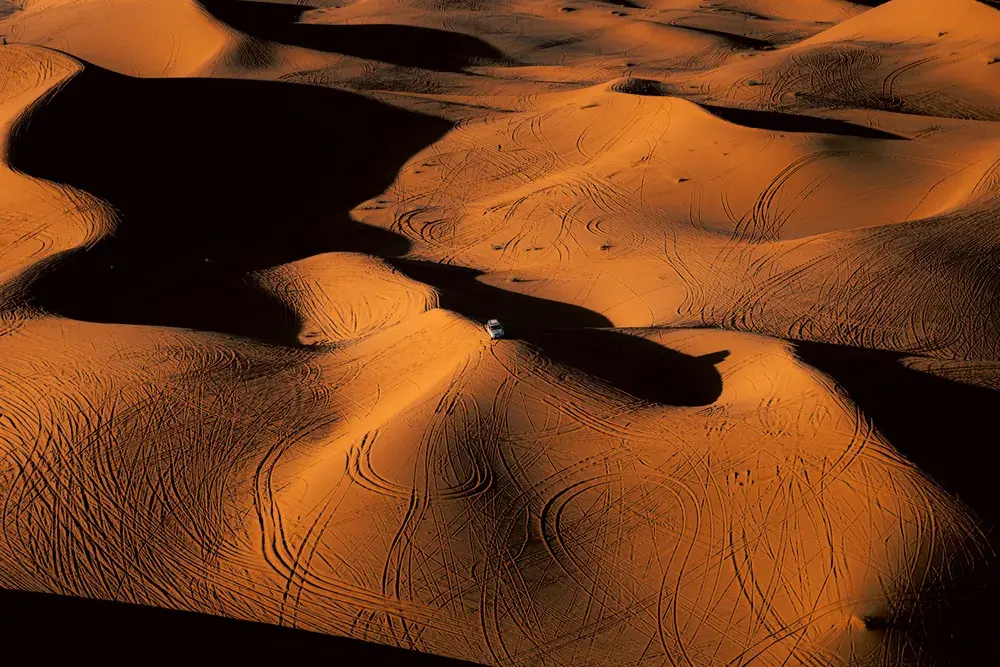
A flat landscape can give a false impression of ease. The state of the ground and previous tracks are not enough to guarantee load-bearing capacity. Crossing Lake Iriki must be assessed by the support team and cannot be promised for every date.
A pre-planned alternative is part of the experience, even if it changes the expected photograph. Consult the Chegaga–Iriki circuit to understand this condition before booking. Discovery remains rewarding without insisting on a passage that has become unsuitable.
Read also
4. Sleeping in a desert camp: choosing your comfort
An overnight stay at a camp is not identical in all programs. Bedding, sanitary facilities, meals, and access must be clarified. Distinguish between a simple camp, equipped accommodation, and a so-called luxury tent based on the actual services provided rather than the title.
The Morocco desert camp guide helps prepare your questions and overnight bag. Explain the passengers' needs before departure. A good night's rest often adds more to the trip than a spectacular, ill-suited option.
Read also
5. Stargazing: leaving room for quiet
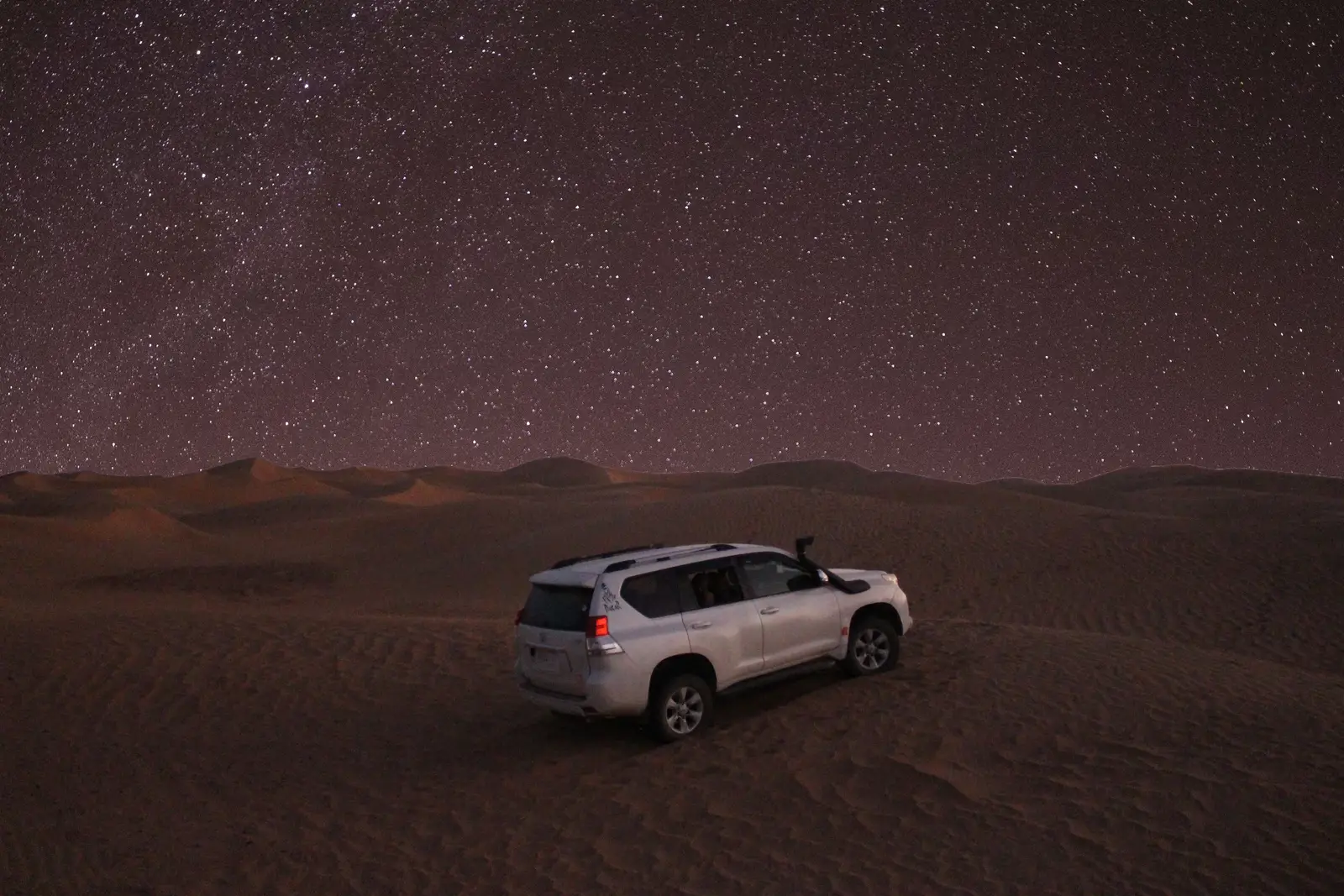
Observation depends on the sky, the wind, and the light present at the camp. It is not a guaranteed activity. A quiet evening can allow you to watch the night landscape without adding a tight schedule after a long day of driving.
Ask where it is safe to walk and stay within the indicated area. A headlamp is useful for moving around, even if you reduce the light during observation. The desert camp is also a time for rest, not an obligation to stay up late.
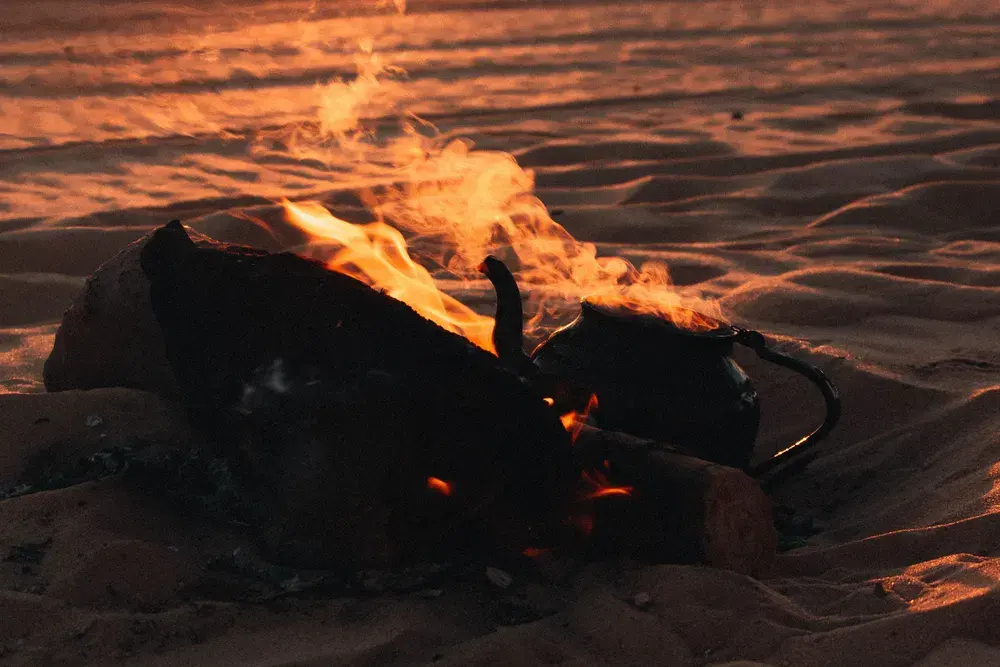
6. Sharing tea: respecting the encounter
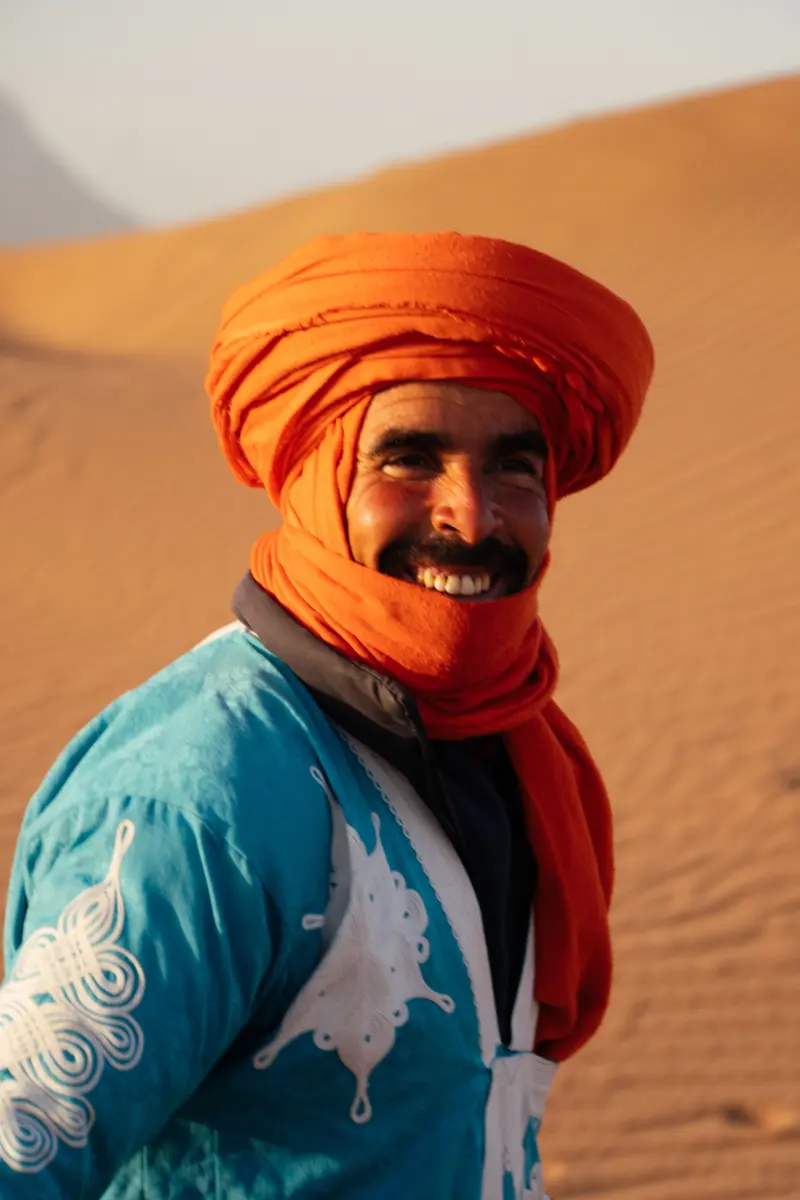
An encounter with locals should not be organized as a scene to be obtained at any cost. It depends on a genuine welcome, the availability of the people, and the local context. The guide can explain customs and the places where a stop is appropriate.
Ask for permission before taking photographs and respect a refusal. The stages around Zagora and Tagounite offer the opportunity to discover the Draa, without promising a specific encounter. Respect makes the moment more authentic than a commercial scenario.
Read also
7. Walking in the Todra Gorge: choosing suitable discovery
A walk in the vicinity of the gorges requires taking into account heat, water flow, and access. A short discovery walk and a sporting activity do not require the same level of supervision. Indicate mobility needs and avoid following an unverified walking route.
The Route of a Thousand Kasbahs circuit can include a stop in this sector. Visit times, pace, and alternatives can be discussed during the quote process. Keeping time to look around and rest allows you to discover the place without turning it into an ordeal.
Read also
What to check before booking an activity
Present the constraints of all travelers, not just the driver: mobility, sleep, diet, or fatigue. A walk that looks easy on paper can be arduous after several hours on the track. The quote must specify whether an activity is included, offered as an option, or simply mentioned as a possibility, as well as the required supervision. Also, check the cancellation conditions if the weather prevents it from taking place.
Inside the vehicle, stow cameras and heavy objects so they do not become dangerous during jolts. Keep water, sun protection, and personal medication accessible. At the camp, follow instructions regarding walking routes and authorized areas. Do not wander off alone to get a photograph: the guide can suggest a safe spot and a suitable time.
Finally, an activity proposed locally is not necessarily organized by Raids du Sud. Ask who is supervising it, what insurance applies, and how to return to the group. A sober, understandable program adapted to the participants provides more value than an accumulation of promises.
Frequently asked questions
Do you have to do all seven activities?
No. Choose the experiences compatible with your desires, your level, and the time available. Some depend on the terrain, local hospitality, or the weather.
Is a meeting with nomads guaranteed?
No. A meeting implies a real welcome and respect for the people. It should not be promised as a systematic entertainment or staged for a photograph.
How do you choose an accessible adventure?
Present your experience, your vehicle, and the needs of the passengers. Ask about the level of the trails and the alternatives to technical activities before booking.